Anúncios
Imagine walking through your front door and having the lights, music, and thermostat adjust exactly how you want. Benefits like these make a smart home more than just a trend — they’re part of daily comfort and control.
As everyday routines grow busier, practical technology supports everything from convenience to efficiency. Smart home setups unify devices, helping you save time, manage energy, and boost home security, all from intuitive apps or devices you already own.
This article explores smart home essentials with practical advice and real-world insights. Find out what you need to get started, how to optimize your setup, and steps to create a truly connected living space that works for you.
Getting Started with the Right Smart Home Foundation
Starting with the right smart home foundation lets you build at your pace and avoid costly upgrades. Choosing compatible devices and a hub upfront ensures your systems can expand together logically.
Deciding on a central ecosystem is the smart move. Whether you lean toward popular voice assistants or robust automation hubs, picking one provides seamless connections and future growth for all your smart home technology.
Evaluating Smart Home Platforms for Growth
Check for compatibility across brands and product lines. Open standards like Zigbee or Z-Wave ease communication between different devices and future-proof your system against inevitable technology shifts.
Look for a platform with active support and updates. Reliable companies push new features over time, making your investment last longer and keeping your smart home options flexible as you add new gadgets.
If you prefer simplicity, select a platform whose controls feel natural to you. Smooth voice, app, or button controls make every interaction more enjoyable, whether adjusting a speaker or dimming room lights.
Core Devices for a Balanced Start
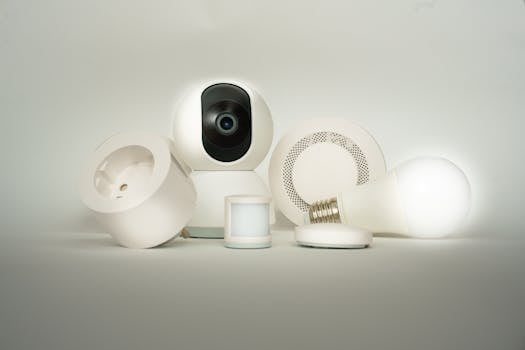
Include a smart speaker at launch—it anchors voice controls. Add at least one connected bulb or plug so you can automate lighting and basic appliances right away, creating instant comfort and hands-free routines.
Start with devices that address real needs. For some, that’s a doorbell camera; for others, it’s smart thermostats. Prioritizing by what makes your day simpler ensures your smart home is practical, not just novel.
Test each new gadget as you go. Confirm connectivity and spend some time learning the interface. That way, you’ll troubleshoot early and stay confident as you expand your connected living space.
Making Lighting Work for Every Mood and Occasion
Smart lighting does more than brighten rooms; it shapes mood, saves energy, and simplifies routine adjustments. Leveraging smart bulbs or switches lets you set scenes, automate schedules, and control everything from your phone or voice assistant.
Strategically placed connected lights create ambiance and security. Automate dimming for movie nights or simulate occupancy while you’re away. Customizing these settings directly impacts comfort and peace of mind throughout the home.
Setting Schedules and Zones that Simplify Life
Create time-based schedules—bright light in the morning, softest glow to wind down at night. Zone control lets you tailor each room: kitchen gets focus, bedrooms offer calm.
Use group controls in your smart home app to adjust multiple lights at once. This provides one-tap mood changes for family dinners, homework time, or entertaining friends, demonstrating real convenience for daily routines.
Experiment with automation to discover what works. A simple “Away” scene lowers lighting and can trigger other smart devices, such as security, for enhanced energy management and safety.
Smart Lighting Quick-Start Checklist
- Install dimmable bulbs so you can personalize brightness for each activity, saving energy while boosting comfort at any hour.
- Use motion sensors in hallways to trigger low-level lighting at night; this improves safety without waking the whole house.
- Sync lighting scenes to music, movies, or alarms—it’s a fun way to add atmosphere with zero extra effort in your smart home.
Security and Peace of Mind: Protecting What Matters
Smart home security gives you visible control and instant awareness, from video doorbells to outdoor cameras. You’ll spot deliveries, monitor entryways, and review clips right from your mobile device, anywhere.
Adding smart locks and sensors has concrete benefits—grant access to trusted visitors remotely, receive alerts when doors open, and deter trespassers through presence simulation or siren triggers built into your smart home system.
Choosing the Right Cameras for Your Space
Outdoor cameras should withstand the elements and offer night vision. Placement above main entries and garages maximizes visibility. Prioritize models that allow cloud or local storage so you control your data in your smart home setup.
Indoor cameras help when you’re traveling. Place one in main living areas—never in private spaces. Check for privacy settings in the app to disable recording during family time.
Clear, timely app alerts let you respond instantly. Adjust notification sensitivity so you aren’t flooded with motion pings; a well-tuned system avoids annoyance while enhancing response times to true incidents.
Integrating Door Sensors and Locks
- Attach window and door sensors so you’ll always know entry points are secure. This action sends real-time alerts, helping prevent surprises when away.
- Assign temporary codes for cleaners or guests. Delete when no longer needed, reinforcing safety without complicating routine access.
- Set up geofenced automations to lock doors as you leave, supporting peace of mind with no extra steps beyond carrying your phone.
Security Essentials Table
| Device | Main Purpose | Best Placement | What to Do Next |
|---|---|---|---|
| Video Doorbell | See/record at entries | Front door | Test notifications to confirm reliable alerts in your smart home app |
| Outdoor Camera | Monitor perimeter | Garage/patio | Enable motion zones; adjust angle for widest view |
| Smart Lock | Remote access | Main entry | Set up auto-lock and review access logs monthly |
| Window Sensor | Intrusion detection | Accessible windows | Schedule daily status checks; practice alarm overrides |
Energy Efficiency Through Smarter Climate Controls
Smart thermostats and connected plugs help fine-tune comfort while reducing utility costs. Programming climate settings to daily patterns adapts your home to the seasons without constant manual tweaks, making your heating and cooling smarter.
Automating fans, AC units, or radiators creates energy savings that add up over time. These adjustments can feel like setting cruise control on your comfort—steady, seamless, always tailored for the current weather and routines.
Adapting Settings with Weather and Routine
Use geofencing to automatically adjust climate as you leave or arrive home. This prioritizes efficiency, keeping energy use down when spaces are empty without sacrificing relaxation when you’re home.
Schedule set-back periods for nights and work hours. Many smart thermostats suggest improvements by learning your habits, so review app insights monthly and consider adopting recommendations that align with your comfort preferences.
Incorporate additional climate sensors in key rooms. This ensures consistent temperatures and improved accuracy for multi-story homes, preventing cold or hot spots and supporting a balanced environment throughout.
Saving Costs with Energy Monitoring
Plug energy monitors into heavy-use appliances—space heaters or entertainment centers. The data reveals hidden power hogs and gives you the insights to unplug or automate those devices, lowering monthly costs effortlessly.
Set up weekly usage alerts using your smart home dashboard. These real-time reports let you catch spikes in energy use, helping you recognize and react to problems before they surprise your budget.
Entertainment Integration for Effortless Enjoyment
Smart home media controls eliminate remote juggling and make enjoying music, TV, and movies frictionless. Integrating speakers, streaming devices, and televisions enables you to create scenes that instantly start favorites with a single voice or tap.
Unified entertainment experiences turn downtime into relaxation. Configure routines to start playlists or queue up shows as you walk in, tying ambiance and automation together for low-stress enjoyment in shared or private spaces.
Optimizing Audio Across Rooms
- Name speakers by room for simplified voice commands. “Play jazz in the kitchen” works when setups are labeled and grouped correctly in your smart home app.
- Create multi-room audio scenes: group speakers for parties, or isolate one for studying. Refining zones lets everyone enjoy what they want, without argument.
- Adjust volume and source in-app for each zone, preventing interruptions and maintaining harmony when schedules—and tastes—differ between family members in your smart home.
Personalizing TV & Streaming Experiences
Anchor your TV setup with a streaming device connected to your main smart home platform. Automate routines to dim lights and power everything up for movie time with just a single word.
Integrate parental controls into entertainment hubs. This safeguards content access and encourages healthy boundaries for kids. Scheduling downtime for screens balances fun with good habits—add signals so others know it’s break time.
Voice Assistants and Automation Routines for Daily Simplicity
Voice assistants are the command centers of the smart home, letting you perform tasks hands-free while keeping your routines flowing smoothly. Set up automations to handle repetitive jobs efficiently, freeing up time without sacrificing control.
Use grouped actions—such as “Good morning” or “Good night”—to adjust lighting, climate, and security at once. This bundling approach speeds up entire routines, demonstrating immediate benefits for busy days and restful evenings alike.
Teaching Your Voice Assistant to Understand You
Personalize command phrases for frequent activities: “bedtime,” “start cleaning,” or “open garage.” Test pronunciations and synonym recognition so every voice command in your smart home triggers the correct response consistently.
Add unique user profiles in your assistant app for each family member. This enables custom routines and lock-ins to personal music, news, or calendar info without cross-talk or unwanted overlaps—especially helpful in larger households.
Check voice feedback after updates. Sometimes, new features require retraining or settings tweaks. Monitor responses and adjust language as needed, ensuring the assistant remains fast, accurate, and enjoyable every day.
Automating Routine Tasks Effectively
Create recurring reminders for chores, bills, or appointments via voice commands. Setting automations for specific days or times makes routine responsibilities effortless and reduces the mental burden of remembering everything manually in your smart home.
Add conditional triggers based on location, time, or occupancy. For example, “turn off downstairs lights if nobody’s home after 9 p.m.” Smart rules adapt to real behaviors, relieving you from repetitive monitoring or manual shutdowns nightly.
Expanding Your Smart Home: Safety, Future-Proofing, and Adaptation
Adapting your smart home to life’s changes keeps it relevant. Regularly review new products and updates. Check for compatibility before buying—staying informed ensures long-term value from every expansion, without frustration or wasted investment.
Building flexibility means anticipating future upgrades. Choose interoperable gadgets and prioritize devices that support firmware updates or open standards, so your connected living space grows smarter with every tech leap you bring home.
Adopting New Devices Without Disruption
- Check existing hub and Wi-Fi capacity before adding more devices; this prevents slowdowns or communication hiccups affecting the rest of your smart home.
- Label every new device logically in your control app. This avoids confusion and streamlines voice commands so you never have to guess which smart plug turns on the lamp.
- Update device firmware immediately, using app instructions. This improves both security and performance, keeping your smart home safe and reliable during every upgrade cycle.
Inviting Family to Participate in Upgrades
Share app access and explain automations to other household members. This empowers everyone, reducing accidental overrides and ensuring smooth adaptation as your smart home grows more connected and capable each season.
Encourage family or roommates to suggest new automation routines. Their daily struggles highlight blind spots you may overlook, fostering smarter collective solutions and a more inclusive connected lifestyle.
Smart Home Habits for a Seamlessly Connected Life
The journey to a smart home is ongoing—small changes bring big benefits, from timely security updates to environments that adapt to your schedule. Each step can transform daily routines and home comfort with ease.
Smart home essentials aren’t just technology—they’re building blocks for stress-free, responsive, and efficient living. Setting up compatible systems, automating climate, and keeping family connected ensures real impact for years ahead.
Keep exploring, adapting, and personalizing your smart home. Every device and automation you add refines your environment, delivering convenience, security, and tailored comfort that’s always ready to adjust alongside you.
FAQ
- What is a smart home and how does it work?
A smart home uses connected devices—lights, cameras, speakers, or thermostats—controlled by apps or voice assistants. These systems communicate over Wi-Fi or specialized standards to automate daily routines and tasks seamlessly. - Can I start small and expand my smart home later?
Yes, you can start with a few smart bulbs, plugs, or a speaker. Most platforms encourage gradual expansion, letting you integrate more devices as your needs grow without starting over each time. - Is smart home technology secure?
Security depends on keeping device firmware updated, using strong Wi-Fi passwords, and enabling extra authentication. Most reputable platforms provide ongoing updates and recommend best practices to help keep your data safe in your smart home setup. - Do I need professional installation for smart home devices?
No, most entry-level devices are designed for easy, DIY installation with clear app step-by-step guides. Some advanced or built-in products (like smart thermostats) may benefit from expert help, especially for wiring or system integration. - What are the best ways to avoid compatibility issues in a smart home?
Choose devices from the same ecosystem or verify open-standard support (like Zigbee or Z-Wave). Check product details for compatibility lists, and use hubs or bridges where needed to coordinate devices across different brands in your smart home.